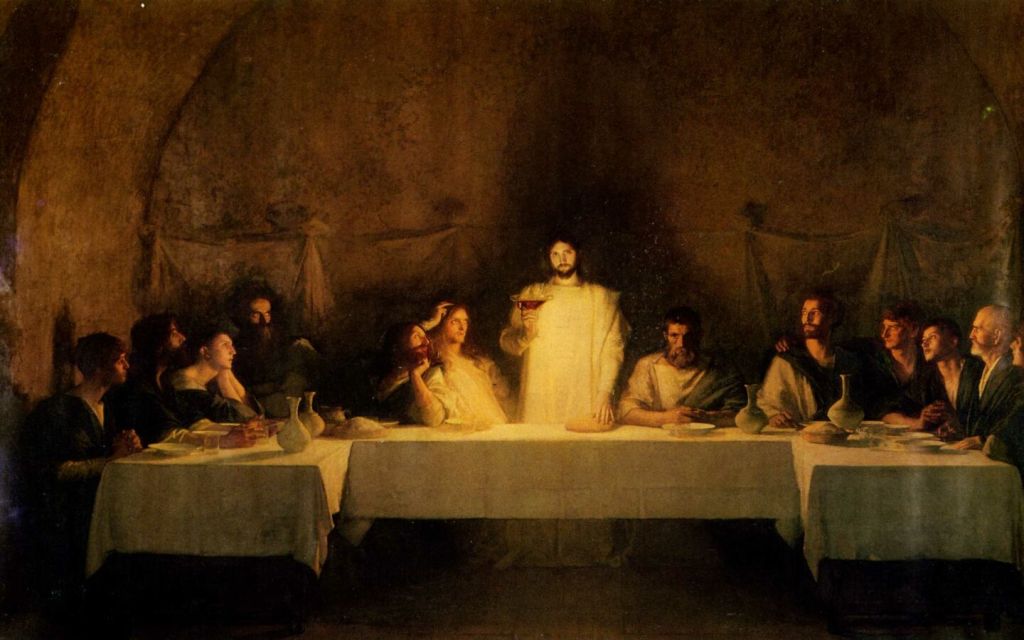
(New American Bible Revised Edition, NABRE ), Matthew 23:12 – “Whoever exalts himself will be humbled; but whoever humbles himself will be exalted.”
Humility is important as we hear in the Gospel of Matthew and countless other times throughout the bible, but how can we better understand and apply this to our daily lives? This post is my attempt to answer that question.
Overview:
During my confirmation class, in our post-mass reflection discussion, we were asked the question:
What does humility mean to you? How do you practice it in your life?
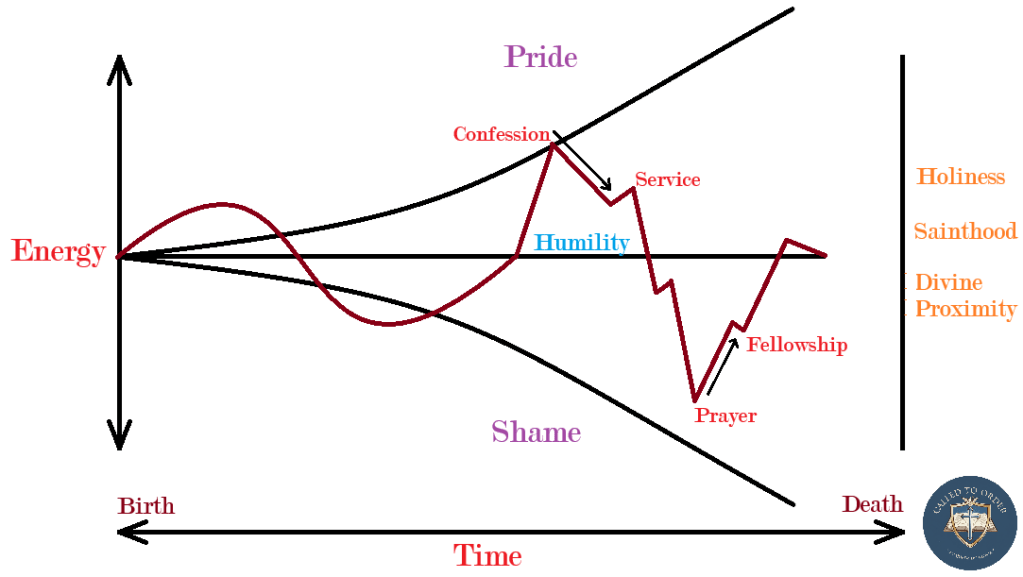
I am not exactly sure why but the Holy Spirit immediately gave me both the image and the following explanations and I simply started drawing it out for the other Catechumens/Candidates when it came my turn to respond.
Many said that it was helpful for them as another way to visualize humility so hopefully it can do the same for one of you.
The Foundation:
The Catholic Definition of Humility is as follows:
“Humility is the moral virtue that keeps a person from reaching beyond himself
It is the virtue that restrains the unruly desire for personal greatness and leads people to an orderly love of themselves based on a true appreciation of their position with respect to God and their neighbors”
We as humans struggle with humility (I know I do). For many of us it is not our “natural state”, but what if I told you it was our “Divine State“. We can think of Pride and Shame as emotional opposites. One is about an elevation of ones image about themselves and the other is about the degradation of that same image. These are mutually exclusive in the sense that they cannot coexist at the same moment. You may be prideful and ashamed of yourself at the same time about different things, however it cannot be for the same quality, event or action.
Graph Legend:
A second graph is below for viewing ease.
Red Line:
The initial wavelike shape is a general description of how we oscillate between different levels of humility, shame, and pride, then it moves to a jagged and more realistic visual with inflection points, and unpredictable change.
This, in short, is our journey, whether it be seconds, minutes, hours etc. In any notion of time we struggle with movements between these three states. Clearly we can see the shortest path to our divine goals are through humility. It’s not sexy, it’s not flashy, it’s just a patient and ceaseless pursuit to our Lord.
Pride:
All of the space above the X-axis can be thought of as the Pride zone. The idea is that the more pride you feel, the harder you are making it for yourself to an exponential degree to reach Divine Proximity or to reach our true capabilities in our connection with God.
What the Catechism has to say:
2631 – … A trusting humility brings us back in to the light of communion between the Father and his Son Jesus Christ and with one another …
Humility is also featured in catechism paragraphs numbered 2559, 2628, 2706, 2713.
Besides pride being a mortal Sin, simply put, it interferes with our perception of reality. If you believe that God is our Creator, and the Creator of all things. Then He receives the Glory, not you. Similarly with your burdens, he receives your burdens, for they are not meant for earthly shoulders.
I have two examples on here (Confession and Service) that are examples of virtues, covenants, sacraments, or actions we can take that will bring us out of that sinful pride and back towards our Divine State. It is quite hard to go to confession and walk out feeling like you are the greatest thing since sliced bread, etc.

Shame:
All of the space below the X-axis can be thought of as the Shame zone. In a similar idea that the more shame you feel, the farther you are from humility or to being the best vessel to act as a conduit for the Holy Spirit (Carrying out God’s Mission, not staying stagnant in self-pity). This is not to be confused with guilt, guilt compels you to better your actions, shame compels you to shut down and shy away.
(New American Bible Revised Edition, NABRE ), Matthew 11:28 – Come to me, all you who labor and are burdened, and I will give you rest.
We are called to give God our burdens (I realize that this is one of the most incredible yet hard to internalize lines in the entire Bible) for he has unconditional love waiting for us to receive with our free will and rational minds.
I have heard countless testimonies so far and all of them are when people are in their most humbled, stripped state.
This is where the actions such as prayer or fellowship come in (other examples would be eucharistic adoration, immersing yourself in the natural world, etc.) in that these actions take you from a place of crushing weight, and intense burden, to a place of realization that you are:
a. Not alone in this world (ever).
b. Meant for more than you could ever know. God created a world where you were/are NEEDED to fulfill His mission. Let that sink in.
Energy:
The Y-axis simply means that the more you dwell and lean on these emotions to accomplish your own self-interest, the harder you are making your path towards holiness. This can also be thought of similarly to kinetic potential energy in physics.
Time:
The second X-axis at the bottom acts as a representation of:
1. From birth to death.
2. From any moment in time to the next.
The lines never reach the end as a representation that only God (The Divine Judge) can determine our nature and if we reach His Kingdom.
Religious vs. Moral:
| Religious Humility: | Recognizes one’s total dependance on God. |
| Moral Humility: | Recognizes one’s creaturely equality with others. |
My OCIA Director’s handout (I wish I knew where he got it, I should ask him) said it best:
“Humility is not only opposed to pride, it also opposed to self-abjection (degradation), which would fail to recognize God’s gifts and use them according to his will.”
A Question for you:
- Do you feel like humility is valued in today’s society where clicks, likes and number of followers is often touted as a measure of success?
- What is your natural state? Pride or Shame?
Concluding Prayer
In the name of the Father, the Son, and the Holy Spirit.
Dear Heavenly Father,
Thank you for guiding our path even when we are blind.
Teach us how to have a humble and contrite heart, so that we can grow closer to You.
Prune us of any Pride or Shame that we cling on to instead of holding You at the center of our existence.
Allow us in our humility, to hear the clarity of your voice and to shine your light through us, so that we may perform Thy will and embody your Son.Through Christ, Our Lord, amen.
Video Explanation:
Called to Order
Thoughtful Catholic Reflections
Disclaimer:
The opinions of Called to Order and it’s author Ryan Fegan, are personal beliefs and should not be held to the same level of importance as official church or biblical doctrine and/or teachings.


 Called to Order
Leave a comment