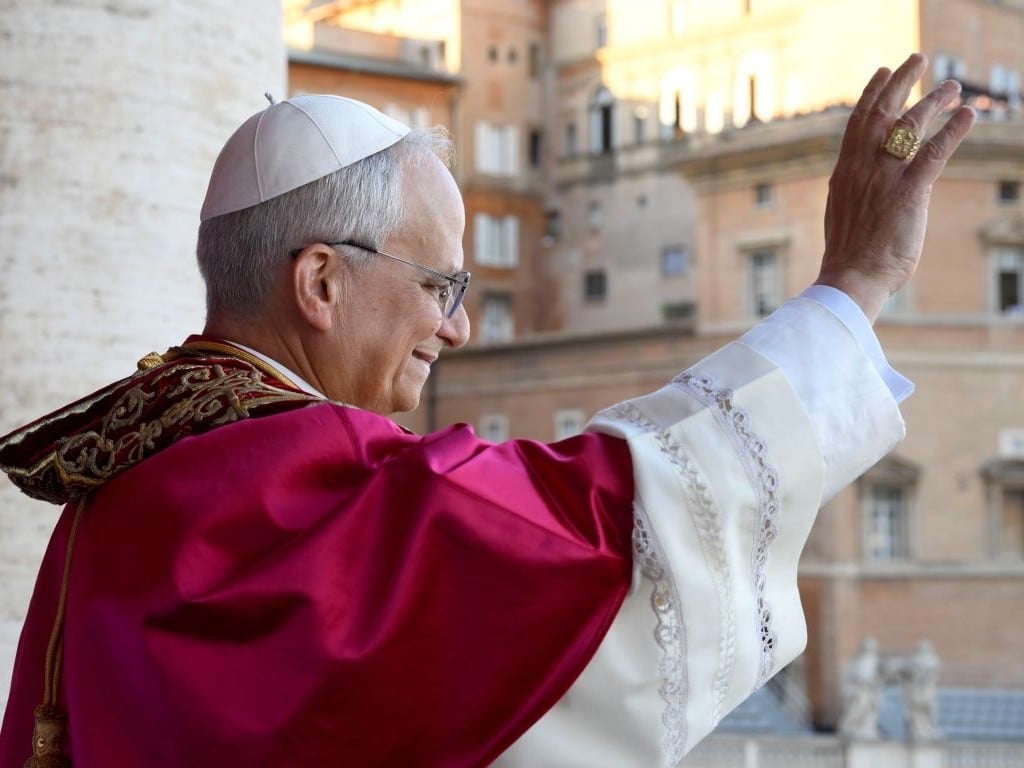
(New American Bible Revised Edition, NABRE), Matthew 16:18 – And so I say to you, you are Peter, and upon this rock I will build my church, and the gates of the netherworld shall not prevail against it.
Introduction
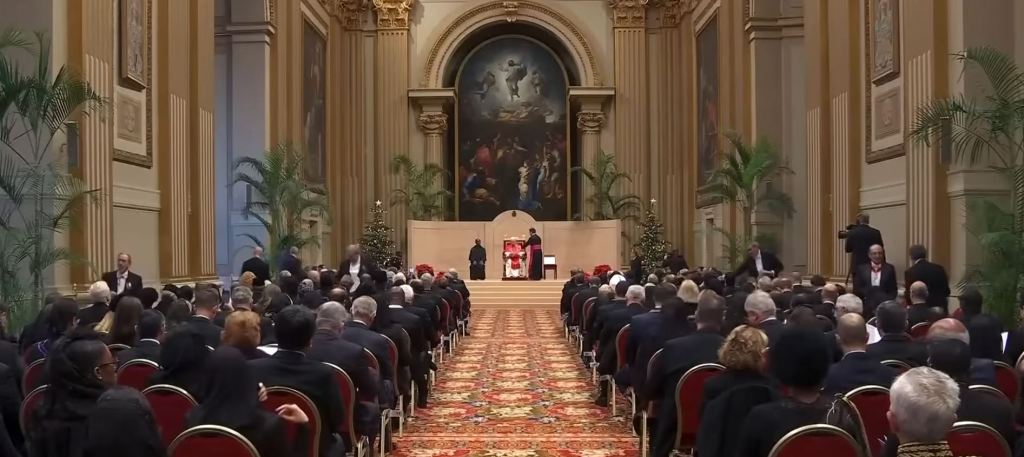
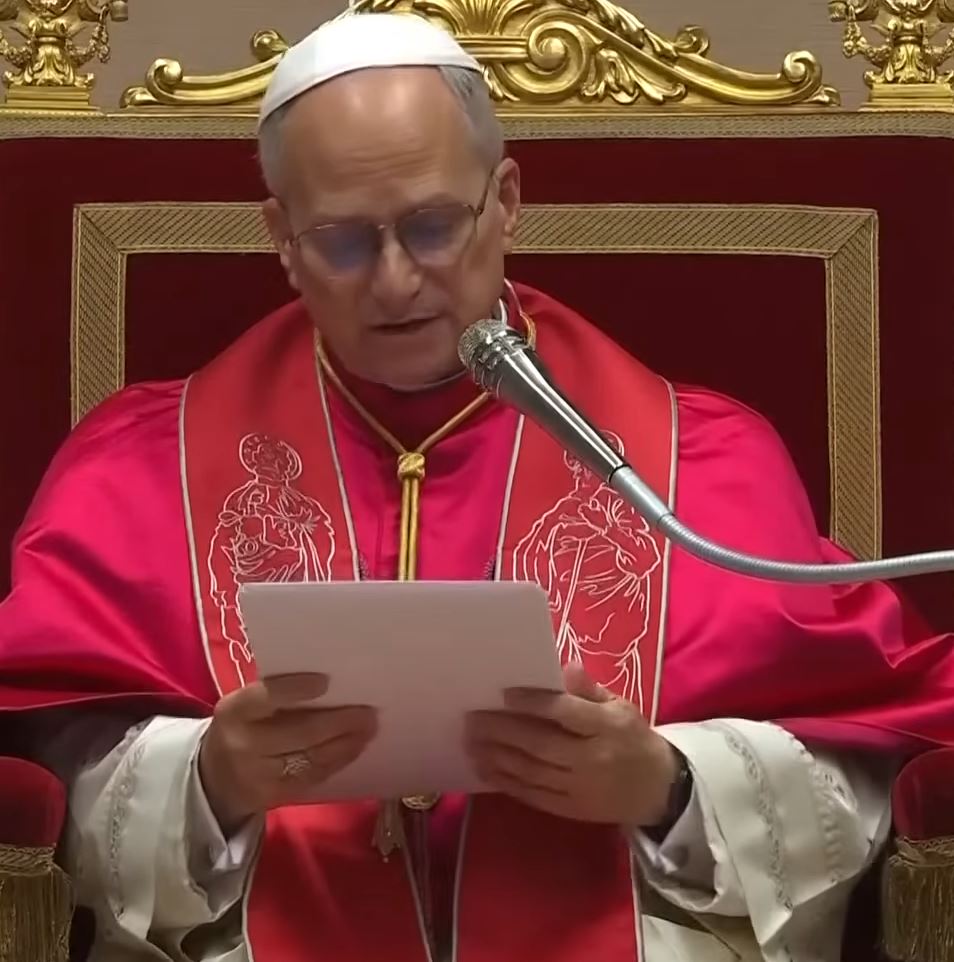
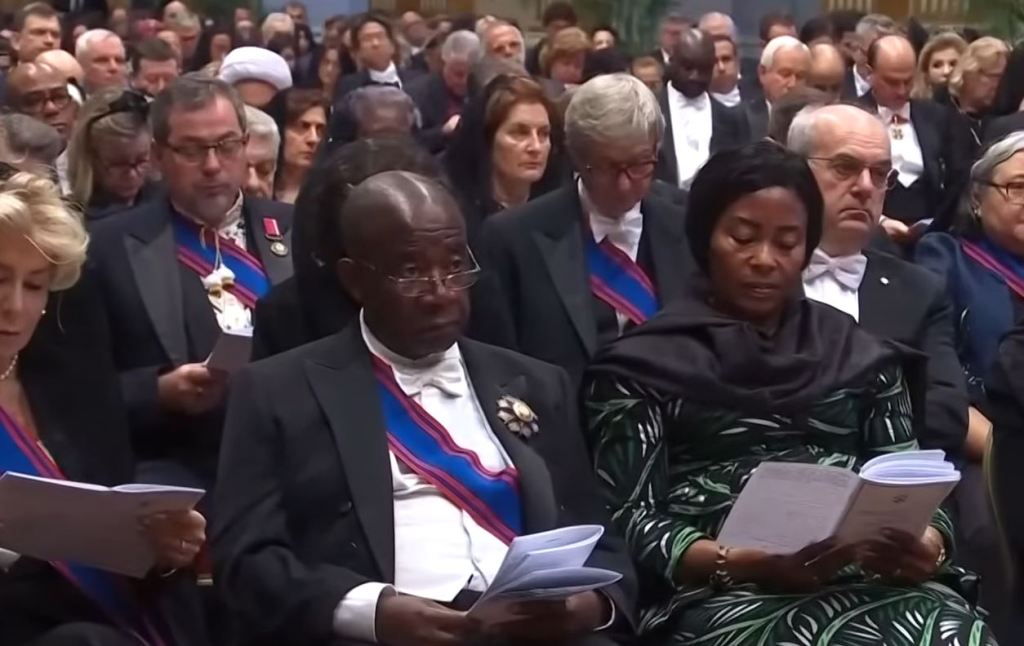
Pope Leo XIV’s State of the World speech took place on January 9, 2026, in Vatican City. This address was delivered to diplomats from 184 countries and outlined the Pope’s global priorities and concerns.
Non-Christians are sometimes confused by us Catholics’ relationship with the Pope. For this post all you really need to know is stated below:
- We as Catholics do not have to agree with everything the Pope says and we listen to everything that is produced/proclaimed from them in a contextual way that follows this general hierarchy:
- Infallible statement. (No debating, no dissenting)
- Canonizations (Must accept Saints, don’t have to like them)
- Ordinary Magisterium (Sincere effort to understand and align)
- Prudential Judgments (Disagreement must be respectful and informed)
- Pastoral speech, interviews, homilies (Interpret lightly)
In my opinion, this speech would fall under prudential judgments.
Interfaith Dialogue & Tolerance
Pope Leo is very much an advocate for dialogue with non-Christian religious leaders. Not only with his words but with his actions, such as visitations to Turkey and Lebanon. As well as conversations with other Christian denominations such as the Ecumenical patriarch of Constantinople (archbishop of the easter orthodoxy)
He talked about how conscientious objection (the ability for one to abstain from civil duties due to ethical concerns and misalignment) is becoming less accepted (e.g. a Registered Nurse refusing to perform an abortion at a hospital they work at)
Pope Leo believes that religious freedom is the first right and most important right for humanity because it determines the fundamental reality of that individual.
Since we as Christians ask for free expression of our faith, we must be tolerant of other communities. He links to the Vatican II document Nostrae Aetate, the declaration on
the relation of the church to non-Christian religions, and clearly states that he stands against all forms of antisemitism (which in his opinion only sows hatred and death)
Lastly, he repeatedly outlines that the persecution of Christians is the most widespread human crisis of our modern world.
Saint Augustine
As a previous member of the Augustinian Order in Peru, it is no surprise that Pope Leo’s state of the world address is riddled with quotes and ideas from the great St. Augustine.
He draws largely on the metaphor of Augustine’s’ “Two Cities”. The City of God, and the City of Earth and says that they co-exist Internally and externally. E.g. we dwell in the earthly world yet we should always be looking towards the heavenly one.
Although the City of God does not propose a political regime or program, we must use our faithful doctrine to create the ethical basis for all law that we abide by in the earthly city.
He longs for a more just and peaceful existence, yet he says that our era seems inclined to deny the city of God and that most of the world today is actively refusing it’s citizenship.
Although highly metaphorical and theological, I think what he is getting at is that unless we as humans look towards something greater, we are without direction and purpose.
What we can gather from these repetitive references is that, if you want to know the heart, ideology, and beliefs of our current holy father, I would study saint Augustine meticulously!
Immigration
He noted that we are entering an era of widespread migratory movements, leading to a possible large shift in world cultures.
He articulated again and again that every migrant/refugee is a person and should be treated as a child of God.
An interesting mention is that Pope Leo said that the migrations from Africa and Asia are largely due to climate change. But again, no official stance on the issue of environmental changes during this address.
war
Pope Leo spent most of his speech talking about the battle for human life going on around the globe. This address definitely did not leave the listener with the most joyous and exciting depiction of the world, but it served as a much needed wake up call for many of use believers.
His perception is that both the appetite and zeal for war are spreading. But even with this increase, he draws an interesting correlation that no one does not desire peace.
At first glance this statement is hard to envision when there is the presence of evil in our world. But he continues to break it down and say that people who seek war, seek victory thus peace that suits them better.
He also covers his thoughts on how the international humanitarian law should always supersede the use of force when solving issues. He warns that, many of the conflicts that are happening today include tactics of fear and war that violate our very human code of ethics. Tying it to the rejection of faithful and devoted lives, and the weakening of objective morality.
He is for the UN, and calls for action with a great need to foster global dialogue. We should look to uphold polices that aim for the unity of the human family.
Through all of this, his instructions were clear; Immediate ceasefire in all major warzones, and to return to the solutions thought of through political dialogue and agreements. For we should not resort to exerting force over others to obtain what we want.
He also outlines the New Start Treaty as an exemplary agreement towards more peaceful outcomes (The Treaty between the United States of America and the Russian Federation on Measures for the Further Reduction and Limitation of Strategic Offensive Arms)
Free Speech
This was one of the most controversial sections of his speech with the secular world. He said that the “Orwellian” style language of the West is in danger of breeding hatred and animosity between certain identities and ideologies, creating barriers stronger than language.
He goes on to say that language is being used to divide and deceive (didn’t specify online etc.)
death penalty
Pope Leo staunchly repeats that he calls for serious efforts be made to abolish the death penalty, as it removes the possibility for repentance and ultimately salvation of the soul.
Marriage and Family
He spent some time talking about how the modern institution of family has two issues
“There is a worrying tendency in the international system to neglect and underestimate it’s fundamental and social role, leading to its progressive institutional marginalization. On the other hand, we cannot ignore the growing and painful reality of fragile and broken families by internal difficulties and disturbing phenomena including domestic violence”
Now this is statement took me a few passes to dissect, but what I think he is getting at here is that the strong biblical family structure is starting to break down and as a symptom of that decay, the quantity of good examples for the new generation in the world are diminishing with it, as well as an increase in familial sin and harm.
An interesting point is that there seems to be a war on new life in this world, with the decline in birth rates, and that protection of unborn life starts with strong marriages which he defines as a relationship of mutual self-giving and service.
Abortion/Surrogacy
Unsurprisingly, pope Leo is anti-abortion. A key thing to note here is that this is his most outspoken display of pro-life argument of his papacy so far. It saddens him more resources are being invested in destroying life than promoting it.
Something that I had not come across up this point in my faith journey is the stance of being anti-surrogacy due to this form of gestation transforming a miracle of God into a negotiable service. Pope Leo argues that the dignity of the child is actively being undermined as that of a good or service to be negotiated.
Caring for those in Need
The Catholic faith is heavily outspoken about the care for the sick, elderly and isolated, and Pope Leo rings the bell of service with his words throughout this address.
He speaks on the current drug addiction crisis as a “scourge upon humanity”. That there must be adequate policies available to all for rehab and employment opportunities and that we are seeing a “short circuit” of human rights that is destroying the reality, nature and truth of our God given rights.
World Conflicts
Although bleak, it is important to know the events that he highlighted as world crises at the moment.
- The death of the Palestinian civilian population.
- Tensions in the Caribbean Sea.
- The exile and kidnappings throughout Haiti.
- Conflicts in the great lakes region of Africa.
- Sudan being transformed into a battlefield.
- Tensions in east Asia.
- Devastating earthquakes in Myanmar (no mention of the Philippines).
Artificial Intelligence
As topical as it is in our daily lives, the Pope only mentioned A.I as it relates to regulation and the ever-increasing capacity for weapons. He calls for ethical and meticulous regulation as we approach rapid advancement in this largely unleased technology.
is there Hope?
If you’re like me, this state of the world address did not leave me with the most Rosey picture of our planet. But at the end of the address, Pope Leo lifts our gaze to hope, saying that peace remains a difficult but realistic good.
He says that we must remind ourselves that we can enjoy a foretaste of heaven through earthly peace and that there are signs of courageous hope such as the Dayton Accords. the Vietnamese Accords to approve relations with the Holy See, Armenia and Azerbaijan treaties signed last year and the New Start treaty that was mentioned earlier. Through intentional dialogue and keeping it in in our hearts that we all long for peace. Even those that seek to destroy. If we can spread that message, then a prosperous and harmonious future is possible.
Thank you for reading, and God bless you!
Called to Order
A Catholic Apologist Archive
Disclaimer:
The opinions of Called to Order and it’s author Ryan Fegan, are personal beliefs and should not be held to the same level of importance as official church or biblical doctrine and/or teachings.
 Called to Order
Leave a comment